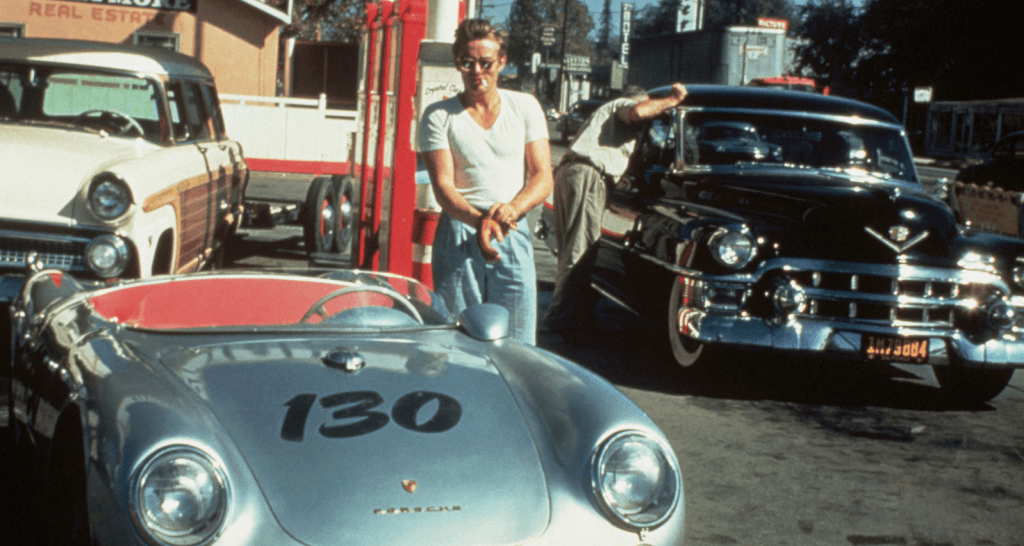
James Dean’s cursed Porsche.
Czytaj dalej →
14.07.2025
The history of the Kia brand is the story of the transformation of a local manufacturer of bicycle parts and motorcycle trailers into a pioneer of modern mobility, which has gained recognition in the global automotive market through innovation, bold design decisions and strategic alliances. From the 1940s to the present day, Kia Motors has consistently improved quality, surprised with attractive design and implemented advanced technologies, ranking among the world’s top brands.
Are you intrigued by the history of the Kia brand? Check out the Kia rental offer and feel the comfort of modern mobility.
In 1944, Kyungsung Precision Industry was established in Seoul, initially producing parts for bicycles and lightweight motorcycle trailers. In the first post-war years, the plant expanded thanks to the growing demand for simple means of transportation, and engineers focused on process optimization and mass production, which became the foundation for later expansion.
In 1952, the company officially adopted the name KIA, combining the Korean word “ki” (exit, birth) with the Japanese “A” (Asia). The new name symbolized the brand’s aspirations to transcend national boundaries, while emphasizing its innate determination for innovation and quality.
In 1973, Kia formed a partnership with Japan’s Mazda, which allowed for the license assembly of the Mazda Familia model and the use of high-quality engines and components. As a result, Korean engineers quickly moved from subcontractor to creators of their own designs, and production standards rose significantly.

A year later, the first Kia Brisa car rolled off the assembly line, available in three-door hatchback and four-door sedan variants. Using Mazda technology, the Brisa was distinguished by its simple, reliable design and economical engines, allowing Kia Motors to gain the trust of South Korean drivers and prepare the ground for export.

In the 1980s, Kia began exporting the Brisa and subsequent models to markets in the Middle East, Africa and Southeast Asia. Versions specially adapted to hot climates and weaker infrastructure – with reinforced suspensions and simplified electrical systems – gained popularity for their durability and low operating costs.
In 1986, Kia entered into a key agreement with Ford Motor Company, resulting in the assembly of the Ford Festiva model and the transfer of know-how in quality control and logistics. As a result, Kia Motors significantly improved passenger car production standards and was able to introduce more advanced testing processes for finished vehicles.
As a result of the 1997 Asian financial crisis, Kia became part of the Hyundai Motor Group. After the merger, the new developments used common floor and engine platforms, allowing the rapid development of entirely new models and optimizing R&D and production costs.
Hyundai-Kia has established research and development centers in Namyang (Korea), Frankfurt (Germany) and Irvine (USA). State-of-the-art factories in Korea, China, India and the US have increased capacity, and technological synergies have enabled Kia to innovate faster than ever before.
In 2006, Kia entrusted the styling reins to German designer Peter Schreier, known for his designs at Audi and Volkswagen. His vision of modern models with distinctive body lines and carefully finished interiors significantly increased the perceived quality and appeal of Kia vehicles.
One of Schreier’s first designs was the “Tiger Nose” radiator grille – a provocatively outlined front end that turned around the cheap image of Korean brands and became the hallmark of all new Kia models.
From 2000 to 2010, Kia enjoyed success with the Kia Sephia and Kia Cee’d models. The Sephia, a simple compact class sedan, captured the market with its price and reliability. The Cee’d – designed and manufactured in a European R&D center – confirmed the brand’s ambitions in the passenger car market, offering modern technology and a five-year warranty.

The Kia Sportage and Kia Sorento placed themselves in the SUV segment, combining driving comfort with off-road capabilities. The Kia Rio model convinced drivers of the B-segment with its economical powertrains and rich equipment. In the next phase, the electric Kia Soul EV and the hybrid Kia Niro joined the range.
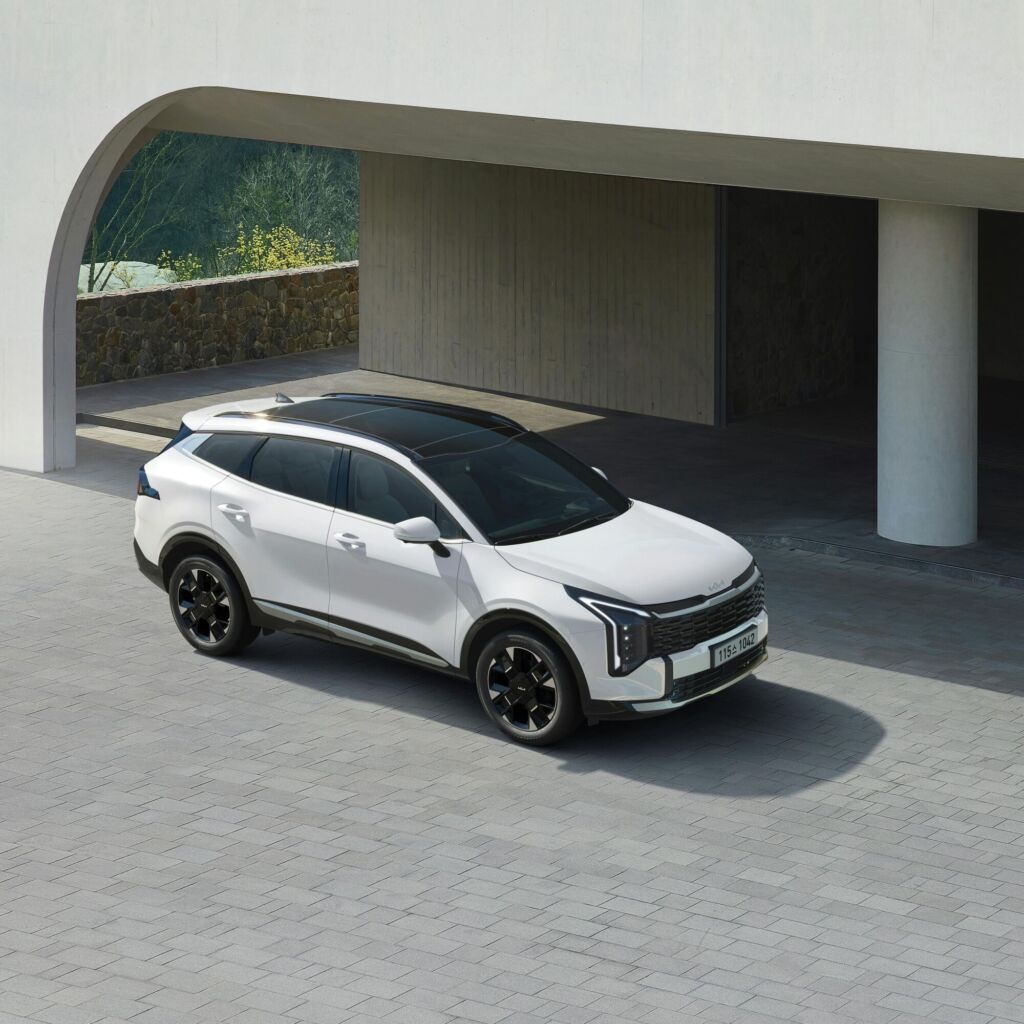
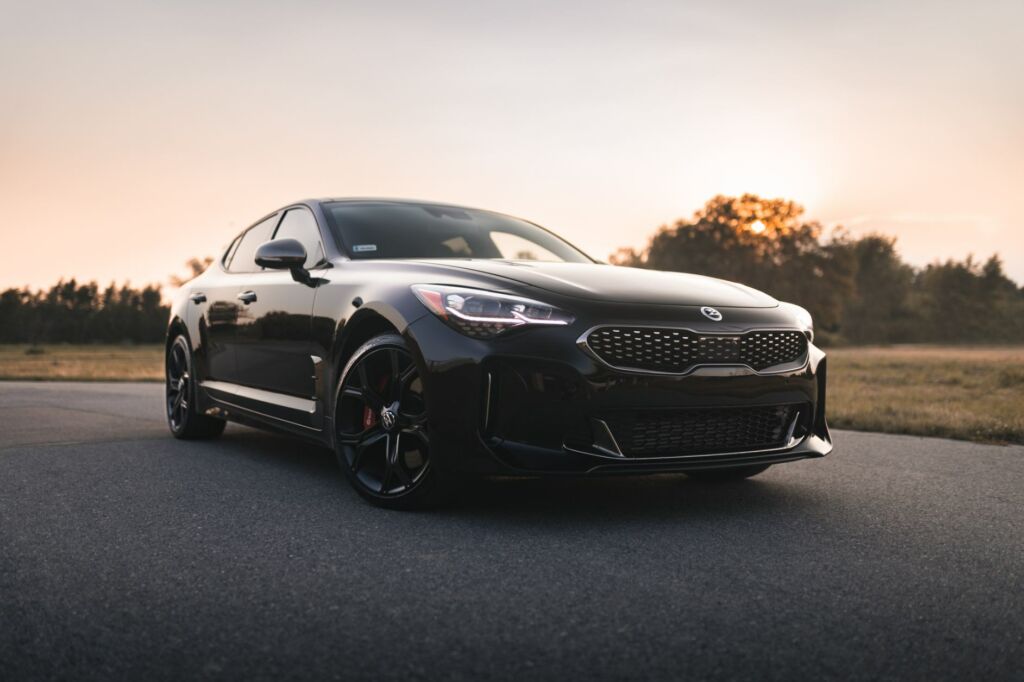
In 2017, Kia unveiled the Stinger, a gran turismo that combined powerful engines up to 370 horsepower, rear-wheel drive and advanced suspension. The Stinger proved that Kia could compete with European premium brands in terms of performance and luxury character.
The Kia Telluride model – a seven-seat SUV – and the spacious Kia Carnival van have won praise from customers in the US and Canada. High ride comfort, advanced safety systems and an attractive price-performance ratio have allowed Kia Motors to double its sales in the region.
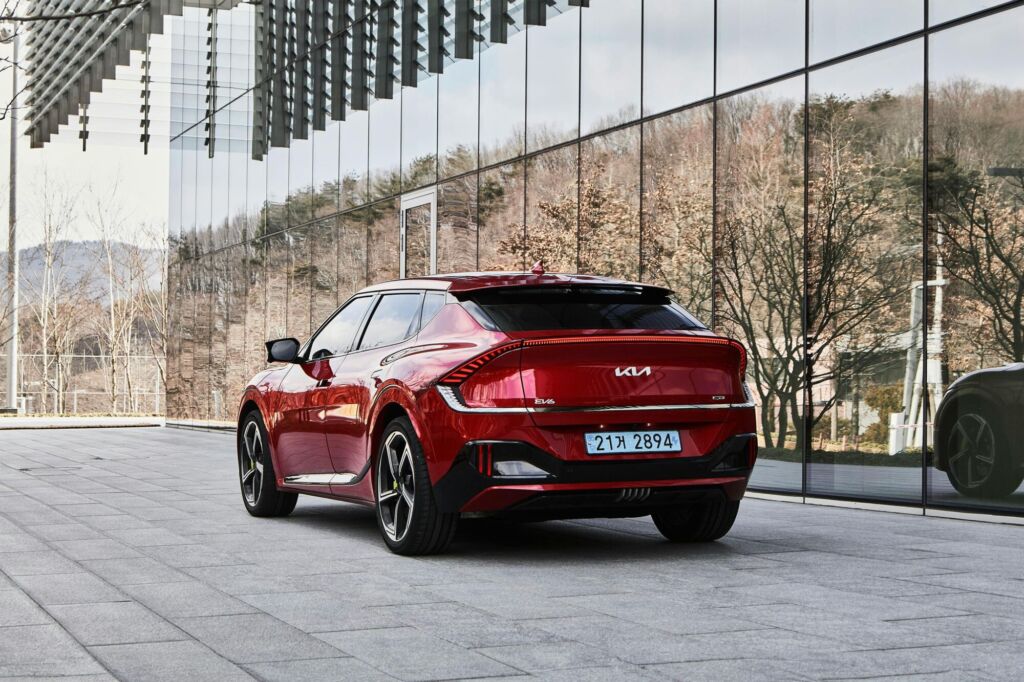
Built on a modular E-GMP platform, the Kia EV6 offers a range of more than 500 kilometers, ultra-fast charging and advanced driver assistance systems. With the EV6, Kia Motors won the World Car of the Year title and confirmed its position in the electric vehicle segment.
Kia has planned to introduce more than a dozen new hybrid, plug-in hybrid and fuel cell car models in the coming years, setting its sights on reducing emissions and achieving a carbon-neutral fleet by 2045.
Kia Motors regularly ranks among the world’s top 10 passenger car manufacturers. In 2023, sales exceeded 3 million units, confirming its status as one of the global brands with the fastest growth.
Kia has received numerous awards, including from J.D. Power for reliability, from Red Dot for design, and from the World Car Awards for innovation and advanced technology, strengthening the brand’s image with customers.
Kia is developing Level 3 and Level 4 autonomous driving systems, as well as car-sharing and ride-hailing platforms, working with IT companies and startups to offer customers end-to-end mobility solutions in the cities of the future.
Kia Motors has pledged to achieve carbon neutrality by 2045. It plans to fully electrify its offerings in Europe by 2035, increase the share of recycled materials and develop a charging network in cooperation with partners.
The Kia brand is owned by Hyundai Motor Group, part of the Hyundai-Kia Automotive Group, which controls both Kia Motors and Hyundai Motor Company.
The name Kia comes from the Korean word “ki” (exit, birth) and the Japanese “A” (Asia), symbolizing the brand’s aspirations to expand beyond Korea and emphasizing its Asian roots.
Hyundai was founded in 1947 as Hyundai Engineering & Construction, while Kia started in 1944 as Kyungsung Precision Industry, making Kia a slightly older brand.
The Kia Ceed is a compact passenger car developed for the European market, offering modern technology, a spacious interior and a distinctive design with a Tiger Nose grille.

The Kia Niro is a C-segment crossover available in hybrid, plug-in hybrid and all-electric versions that combines fuel-efficient powertrains with SUV functionality.

The Kia Picanto is an A-segment urban hatchback, distinguished by its nimble chassis, low fuel consumption and attractive price, popular in large metropolitan areas.

The Kia Avella, also known as the Kia Sephia in some regions, is a compact segment sedan from the 1990s that gained recognition for its affordability and reliability.

The Kia Pride is a small B-segment hatchback produced under a license based on the Mazda 121 car, offered from 1987 to 2000 as a popular, low-cost city car.

Production of the Brisa model ended in the mid-1980s, giving way to the next generation of Kia vehicles already being developed independently.
Kia began producing motorcycles shortly after its founding in the 1940s, using Kyungsung Precision Industry plants to manufacture moped engines and frames.
Kia Industry Corp, later transformed into Kia Motors, was responsible for expanding its production facilities and expanding its offerings to include automotive components and whole vehicles.
Kia began producing passenger cars in 1974, debuting the Kia Brisa model and marking its contribution to the development of the automotive industry in South Korea.
Kia offers a range of cars including urban hatchbacks, sedans, SUVs, and sporty GTs, becoming a Kia brand recognized on every continent.
In the beginning, Kia produced bicycle parts and motorcycle trailers, which allowed the company to develop efficient production methods and grow technologically.
The K three-wheeled delivery vehicles, produced by an early form of Kia, served as economical and maneuverable transportation for small businesses and tradesmen.
During UEFA Euro, Kia provided shuttle cars and a demonstration fleet, showing off its latest models to fans and tournament partners.
Kia’s history spans from the 1940s, when the sales subsidiary initially operated as a manufacturer of bicycle parts and motorcycle trailers, through the debut of the first Kia Brisa car, to its expansion into the global automotive market.
Kia relies on innovation and modern design to meet customer expectations and strengthen the position of Korean cars in the smart mobility segment.
The Kia Optima is a mid-size D-segment sedan, launched in 2000 as a competitor to European and American models, offering driving comfort and a spacious interior.
The cooperation included the license assembly of the Mazda Familia model under license from Japan’s Mazda Group, allowing Kia to gain technological expertise and enter the passenger car manufacturing segment.
Kia’s first model for export was the Kia Brisa, which quickly conquered Middle Eastern markets thanks to its simplified design and reliability.
Before adopting the KIA name, the company operated under the name PB Motors, focusing on the production of motorcycles and bicycle parts.
The beginning of the visual transformation was initiated by German designer Peter Schreier, who introduced a specially designed front end in the form of an attractive “Tiger Nose” dummy.
Through strategic investments in R&D centers and factory upgrades, Kia has accelerated the company’s growth and introduced all-new models in record time.
In Europe, Kia began by assembling the Kia Cee’d model at a Slovakian factory, reinforcing its position in the Kia brand’s European history as a manufacturer of affordable and reliable cars.
Kia has become a major player in the automotive industry thanks to the development of electric and hybrid models and a turn toward the future of mobility.
In the initial phase, Kia produced three-wheeled K vans to serve small businesses and traders as an economical transportation solution.
During the UEFA Euros, Kia provided shuttle cars and a demonstration fleet as part of a marketing campaign to introduce the Kia Picanto model to the general public.
Kia offers a range of cars including urban hatchbacks, sedans, SUVs, and sporty GTs, becoming a Kia brand recognized on every continent.
Kia is a combination of modernity, comfort and reliability. In our rental offer in Warsaw you will find models ideal for urban routes – ready for everyday challenges.
View Kia rental offers